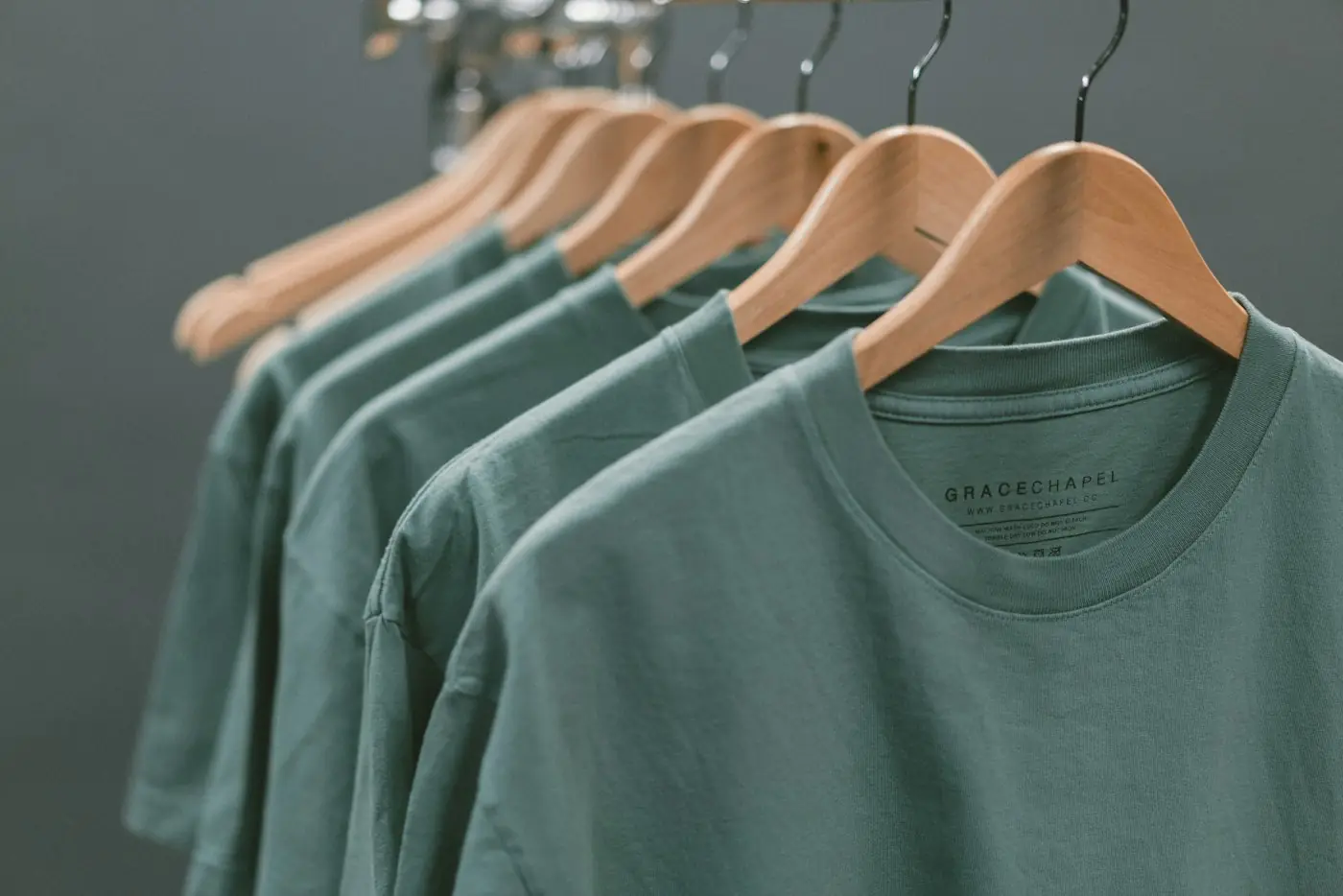
University photo guides favor solid colors for headshots
Pick a solid color. One university guide for official staff headshots says to wear solid colors and skip lots of black, white, neon, patterns, logos and big designs [3]. A second university guide agrees that solid colors work best and suggests darker ones to help you stand out [2].
Jewel tones, the deep, rich shades such as emerald, look great in photos according to the staff headshot guide [3]. That fits the acting-industry advice to choose muted and darker tones that bring richness without drawing attention from your face [1].
Your own job matters too. Look approachable and consistent with your field, and wear what you would wear to work [2]. Choose something that makes you feel good [2].
Muted jewel tones such as navy and emerald add richness to headshots
The guides group colors a little differently, but they overlap [3][1][2]. This table shows where they agree and where they differ [3][1][2].
| Color group | What the guides say |
|---|---|
| Solid jewel or dark tones | Jewel tones look great, and darker solids help you stand out [3][2]. |
| Muted tones | Charcoal, plum, burgundy, navy and emerald add richness without pulling focus from your face [1]. |
| Neutrals | Black, white, tan and nude are strong choices in one guide [1]. |
| Heavy black or white | One guide says to avoid wearing lots of black or white [3]. |
| Bright or neon | Avoid them, since they draw attention away from your face [3][1]. |
The neutral advice conflicts, so use a middle path. If you wear a black blazer, a pop of color underneath looks nice [3].
Your skin undertone helps decide between warm and cool colors
Start by working out your skin undertone, the shade beneath your skin's surface color. Then match your clothing colors to it [1].
- Cooler undertones generally look best in cooler colors, the ones that lean blue [1].
- Warm undertones generally look better in warmer colors, such as burgundy and ivory, which lean orange or red [1].
- Neutral undertones can go either way, but should stick with warm tones or cool tones instead of mixing them [1].
Whatever you choose, you want to look like you [2]. Do not use filters to change your face, because the change is noticeable [2].
Bright colors and busy patterns pull attention away from your face
Skip anything that competes with your face. Bright, bold hues draw attention away and can look tacky instead of stylish [1]. The staff headshot guide also lists neon, logos and big designs as things to avoid [3].
Patterns need care. Polka dots and pinstripes can be overwhelming [1]. Acting-industry advice says to avoid busy and printed fabrics and anything that steals focus from you [4].
Keep it minimal and layer it beneath a solid piece in a complementary color [1].
Jewelry works the same way. A wild statement piece can make a casting director remember the jewelry instead of your face [1]. Thin chains, small pendants, delicate posts and simple scarves are safer [1].
A clean background and a good fit support your color choice
Color works together with what is behind you. Choose a background that is not distracting and that complements your attire [4]. Keep the background clean, and take a few steps forward instead of standing right in front of a wall [2].
Fit counts as much as shade. Clothes should fit right, and simple pieces such as a solid-colored T-shirt or a properly tailored blazer work well [1]. Wear colors and necklines that flatter you [4].
- Choose a solid color, ideally darker or muted [1][2].
- Match warm or cool tones to your skin undertone [1].
- Leave out neon, logos, big designs and busy prints [3][4].
- Add a small pop of color if you wear a lot of black or white [3].
- Keep jewelry and glasses simple [1].
- Check that your clothes fit and the background is clean [1][2].
If you can bring extra options, a photo session may have time for a few changes, such as a jacket, sweater, scarf, or glasses on and off [3]. Take several shots and try different looks [2].
JA Headshots lists navy blue, soft blue, charcoal gray, deep green, muted burgundy and warm earth tones as reliable headshot colors.
Sources
- Headshot Outfits: What to Wear and What to Avoid, backstage.com
- Photo Tips and Guidelines: Student Affairs Marketing, northwestern.edu
- Headshot photo, kb.wisc.edu
- Professional Photo & Headshot Guide Photos for LinkedIn Profiles and Personal Websites, epics.soc.northwestern.edu